Hassan Shaban | Digital Marketing Freelancer

Illustration of a person working on a laptop with social media icons, charts, and checklist, representing building a personal brand step-by-step.

Build Your Personal Brand From Zero: A Step-by-Step Guide

𝗕𝘂𝗶𝗹𝗱 𝗬𝗼𝘂𝗿 𝗣𝗲𝗿𝘀𝗼𝗻𝗮𝗹 𝗕𝗿𝗮𝗻𝗱 𝗙𝗿𝗼𝗺 𝗭𝗲𝗿𝗼: 𝗔 𝗦𝘁𝗲𝗽-𝗯𝘆-𝗦𝘁𝗲𝗽 𝗚𝘂𝗶𝗱𝗲 Building your personal brand from zero may seem challenging, but with the right strategy, you can build your personal brand effectively. A strong personal brand helps you grow credibility, an audience, and online opportunities through platforms like LinkedIn, Instagram, and Facebook. In this guide, you’ll learn how to build a personal brand from scratch step-by-step, including how to create content using tools like Canva and track your growth with Google Analytics. What is SEO and Why It Matters for Beginners 1. Define Your Niche Your personal brand should focus on a specific topic or area of expertise. Ask yourself: What knowledge or skills can I share? What problems can I help people solve? What topics am I passionate about? Choosing a niche helps people recognize and remember your brand. 2. Identify Your Target Audience Identify Your Target Audience to Grow Your Personal Brand For example: Professionals building their careers Entrepreneurs Content creators Job seekers Understanding your audience helps you create content that is relevant and valuable. 3. Create Valuable Content Creating valuable content consistently helps you build your personal brand. You can share: Educational posts Step-by-step tutorials Personal experiences Industry insights Consistently creating helpful content builds trust and authority.   4. Be Consistent Consistency is essential when building a personal brand. Try to: Post regularly on social media Share valuable insights Maintain a clear message Over time, consistent content helps you grow your visibility and influence. 5. Engage With Your Audience Engaging with your audience is key to growing your personal brand. It’s also about building relationships. Engage by: Responding to comments Asking questions Participating in discussions This interaction strengthens your community and network. 6. Share Your Journey People connect with authentic stories. Share: lessons learned challenges you faced insights from your experiences Your journey can inspire others who are following a similar path. Conclusion Building a personal brand from zero requires clarity, consistency, and valuable content. By defining your niche, understanding your audience, and sharing helpful insights, you can build a strong personal brand that grows over time. Start today by sharing your knowledge and experiences online.

Build Your Personal Brand From Zero: A Step-by-Step Guide Read More »

Keyword research for beginners digital marketing guide illustration showing SEO analytics and keyword strategy concepts

Keyword Research for Beginners | Digital Marketing Guide

Keyword Research for Beginners | Digital Marketing Guide Keyword research for beginners is one of the most important skills to learn in digital marketing.  Before starting keyword research, it’s helpful to understand a complete digital marketing strategy for beginners.Choosing the right keywords helps your website appear in search results, attract the right audience, and increase organic traffic. Without proper keyword research, even high-quality content may struggle to rank on Google. In this guide, you’ll learn simple and practical steps to find keywords that improve SEO performance and support long-term online growth. You can learn how to optimize them further in our SEO basics for digital marketing guide. What Is Keyword Research in Digital Marketing? Keyword research is the process of finding words and phrases people type into search engines like Google. These keywords help search engines understand your content and connect it with users searching for related information. In digital marketing, keywords guide your content strategy, blog topics, and website optimization efforts. When used correctly, they help your content reach the right audience at the right time. Why Keyword Research Is Important for Beginners For beginners, keyword research provides direction and clarity. Instead of guessing what to write about, you create content based on real search demand. Benefits include: Higher search engine rankings Targeted website traffic Better content planning Improved audience engagement Increased visibility online Learning keyword research early helps build a strong SEO foundation. Types of Keywords You Should Know Short-Tail Keywords Short-tail keywords are broad search terms with high search volume, such as “digital marketing.” They are competitive and harder for beginners to rank for.  Long-Tail Keywords Long-tail keywords are longer and more specific phrases like “keyword research for beginners.” These are easier to rank for and attract more targeted visitors. Search Intent Keywords Search intent refers to the reason behind a search. Users may want information, products, or solutions. Understanding intent helps you create content that satisfies user needs. How to Do Keyword Research Step by Step Step 1: Choose a Topic Start with a topic related to your niche or audience interests. Step 2: Use Keyword Research Tools Use tools to discover keyword ideas and search volume data. Step 3: Check Search Volume and Difficulty Look for keywords with moderate searches and low competition — ideal for beginners. Step 4: Analyze Search Intent Review top-ranking pages to understand what users expect. Step 5: Select Primary and Secondary Keywords Choose one main keyword and several related keywords to support your content. Best Free Keyword Research Tools for Beginners Beginners can start with free tools such as: Google Keyword Planner Ubersuggest Google Trends AnswerThePublic Keyword Surfer These tools help you discover keyword ideas and analyze search trends without advanced SEO knowledge. Common Keyword Research Mistakes to Avoid Many beginners make avoidable mistakes, including: Targeting highly competitive keywords Ignoring search intent Keyword stuffing content Not researching competitors Choosing keywords unrelated to audience needs Focus on relevance and quality rather than quantity. How to Use Keywords Naturally in Your Content Once you find keywords, place them naturally in: Title and headings Introduction paragraph Meta description Image alt text Throughout the content where relevant Avoid overusing keywords, as readability and user experience are equally important. Conclusion and Next Steps Keyword research is the foundation of successful SEO and digital marketing. By understanding how people search online and choosing the right keywords, beginners can create content thatStart by researching simple long-tail keywords using tools like Google Keyword Planner and Google Trends, creating helpful content, and improving your strategy over time. You can also learn from expert guides such as the Moz Beginner’s Guide to SEO and Ahrefs Blog on Keyword Research. Consistency and learning from data will help you achieve sustainable online growth. ranks higher and attracts consistent traffic. 

Keyword Research for Beginners | Digital Marketing Guide Read More »

Digital marketing blog title

SEO Basics for Digital Marketing: Beginner Guide

SEO Basics for Digital Marketing: Beginner Guide SEO basics for digital marketing are essential for anyone looking to grow their online presence and rank higher on Google. In today’s digital world, having a website or blog is not enough you need to understand how search engines work and how to optimize your content effectively. This guide provides simple and practical strategies, covering keyword research, on-page and off-page SEO techniques, common mistakes to avoid, and useful tools to help beginners improve their rankings. By applying these foundational SEO strategies, you can start driving more organic traffic and building long-term online visibility step by step. What SEO Means in Digital Marketing and Why It Matters for Beginners Search Engine Optimization (SEO) is the process of improving your website so it appears higher in search results on Google and other search engines. For beginners, understanding SEO is crucial because it helps your content reach the right audience. Using Moz’s Beginner’s Guide to SEO is a great way to start learning SEO fundamentals. Proper SEO ensures your website attracts organic traffic, which is free, targeted, and highly valuable for building your online presence. Keyword Research Basics Keyword research helps you find what your audience is searching for. Without proper keywords, even the best content may remain invisible. Use Google Trends to discover popular search queries. Try Ubersuggest to find long-tail keywords that are easier to rank for. On-Page SEO Tips On-page SEO is everything you can control on your website to improve rankings: Optimize titles and meta descriptions Use headings properly (H1, H2, H3) Clean, readable URLs Include internal links to other blog posts Off-Page SEO Tips Off-page SEO focuses on external factors that boost your rankings: Build backlinks from authoritative websites Share your content on social media for signals Guest post on relevant blogs  Learn more about backlinks from Ahrefs Beginner’s Guide to Backlinks Common SEO Mistakes Beginners Should Avoid Even beginners make these errors: Keyword stuffing Duplicate content Ignoring meta descriptions Missing ALT text for images Not optimizing for mobile Avoiding these mistakes keeps your site SEO-friendly and improves rankings. SEO Tools Every Beginner Should Know Google Search Console → track website performance Google Analytics → measure traffic & behavior Yoast SEO or Rank Math → optimize on-page SEO Ubersuggest → find keywords and backlinks Conclusion Following these SEO tips for beginners will help you improve your website’s visibility, attract more visitors, and grow your online presence. Remember, SEO is a long-term strategy, but even beginners can see results by applying these basics consistently. Beginners should first understand the basics of online promotion, check out our Digital Marketing Strategy guide to get started, and before diving deep into SEO, you might also want to review some Digital Marketing Tips for Beginners to strengthen your foundation.

SEO Basics for Digital Marketing: Beginner Guide Read More »

Digital marketing tips for beginners shown on laptop screen

Digital Marketing Tips to Boost Online Growth

Digital Marketing Tips to Boost Online Growth Digital marketing tips for beginners can help you navigate the online world with confidence. Additionally, as a powerful tool for business growth, it enables brands to reach the right audience and build strong online visibility. However, getting started can feel overwhelming at first. For example, from SEO and social media to email marketing and content strategies, there are many beginner-friendly approaches to explore. In this guide, you’ll discover actionable tips to grow your online presence, attract customers, and succeed online. What Digital Marketing Tips Beginners Should Know Before diving into tips, it’s important to understand what digital marketing really is. In simple terms, it refers to promoting products or services through online channels such as search engines, social media, email, and websites. Unlike traditional marketing, it enables you to track results, reach a global audience, and engage directly with customers. For instance, tools like Google Trends can help beginners understand search demand and identify trending topics. 10 Actionable Digital Marketing Tips for Beginners 1.Define Your Digital Marketing Goals Decide what you want to achieve with your digital marketing efforts — whether it’s brand awareness, generating leads, increasing sales, or driving website traffic. Set clear and measurable objectives so you can track your progress and adjust your strategy when needed. 2. Know Your Target Audience Understanding your audience is essential for successful digital marketing. Research their age, interests, challenges, and online behavior. Create content that directly addresses their needs and provides real value. 3. Start a Blog to Improve SEO Blogging is one of the most effective digital marketing strategies for beginners. It boosts SEO, drives organic traffic, and builds authority in your niche. Focus on long-tail keywords that match what your audience is searching for. 4. Learn Basic SEO Techniques Search engine optimization helps your content rank higher on Google. Use keywords naturally in your titles, headings, and meta descriptions. Make sure your website is mobile-friendly and loads quickly. 5. Leverage Social Media Marketing Choose one or two social media platforms where your audience is most active. Share helpful content consistently and engage with your followers to build trust and visibility. 6. Build an Email List Email marketing remains one of the most powerful digital marketing tools. Offer newsletters or free resources in exchange for email addresses and use them to nurture leads over time. 7. Use Beginner-Friendly Marketing Tools Free tools like analytics platforms, design software, and keyword research tools can simplify your digital marketing journey. They help you track performance and create professional content efficiently. 8. Repurpose Your Content Maximize your efforts by turning blog posts into social media content, short videos, or infographics. Repurposing increases reach without requiring extra content creation. 9. Analyze and Adjust Your Strategy Monitor website traffic, engagement, and conversions regularly. Reviewing your data helps you understand what’s working and improve your digital marketing strategy 10.Avoid Common Digital Marketing Mistakes Avoid ignoring mobile users, stuffing keywords unnaturally, or spreading yourself too thin across too many platforms. Focus on consistency and steady improvement. Related keywords: SEO tips for beginners, social media marketing tips, email marketing basics Essential Digital Marketing Tools Every Beginner Should Know Common Digital Marketing Mistakes for Beginners 1. Not Defining a Clear Target Audience in Digital Marketing One of the biggest digital marketing mistakes beginners make is trying to target everyone. Without a clearly defined audience, your message becomes too broad and ineffective. Identify who your ideal customer is, understand their needs, and create content specifically for them. A focused strategy leads to better engagement and higher conversions. 2. Ignoring SEO Basics in Beginner Digital Marketing Many new marketers overlook search engine optimization. Without proper keyword research, optimized headings, and quality content, your website may struggle to rank on search engines. Learning basic SEO techniques helps increase visibility and drive organic traffic to your site. 3. Posting Without a Digital Marketing Strategy Random posting on social media or blogs without a plan rarely delivers consistent results. Successful digital marketing requires a content calendar, clear goals, and measurable objectives. A strategy ensures your efforts align with your business goals. 4. Not Tracking Performance in Online Marketing If you don’t track your results, you won’t know what’s working. Tools like analytics platforms help you monitor website traffic, engagement, and conversions. Tracking performance allows you to adjust your digital marketing strategies for better results. 5. Expecting Instant Results in Digital Marketing Digital marketing takes time and consistency. Many beginners give up too quickly when they don’t see immediate success. Building authority, trust, and visibility online requires patience and continuous improvement. Conclusion Digital marketing can feel overwhelming for beginners, but by following the actionable tips in this guide, you can confidently start building your online presence. First, define your goals, understand your audience, choose the right tools, and track your results carefully. With consistent effort, your work will pay off, and you’ll gradually notice growth in traffic, engagement, and conversions. For example, free tools like Google Analytics can help you monitor website traffic and performance effectively. Next Steps for Beginner Digital Marketers Start by defining your marketing goals and target audience. Clearly knowing what you want to achieve and who you want to reach is the foundation of any strategy. Next, set up basic tools like Google Analytics to track traffic, Mailchimp for email campaigns, and Canva for designing visuals. Then, begin creating content consistently for your blog or social media platforms. Consistency helps build authority and keeps your audience engaged. After that, review your results weekly and adjust your strategy accordingly. Using your analytics data will help you see what’s working and what needs improvement. Also, avoid common mistakes like ignoring mobile users, spreading yourself too thin, or neglecting your analytics. Finally, if you want a full roadmap for growing your business, check out our Digital Marketing Strategy guide for a step-by-step approach.

Digital Marketing Tips to Boost Online Growth Read More »

Digital marketing blog tittle

Digital Marketing Strategy: Best Ways to Grow Your Business Online (2026)

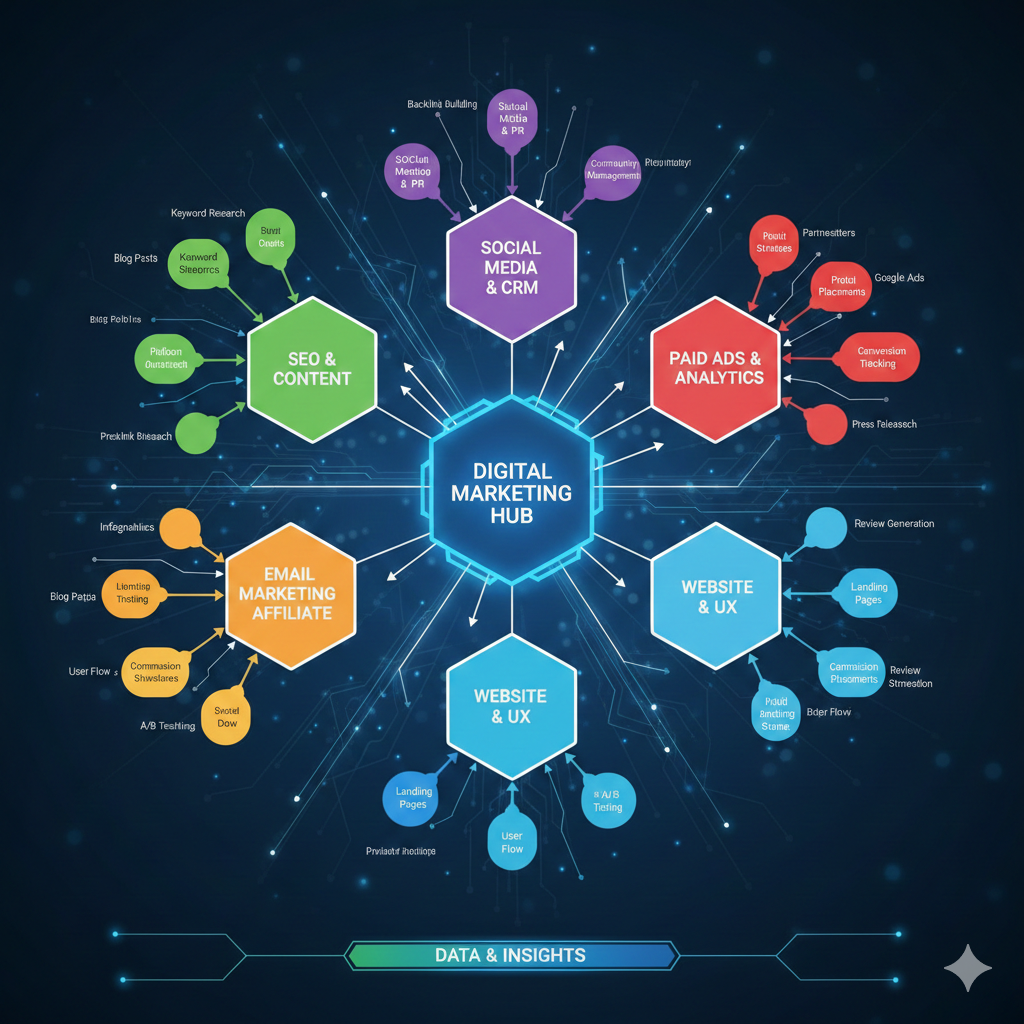
Digital Marketing Strategy: Best Ways to Grow Your Business Online (2026) Growing your business online in 2026 requires a well-planned digital marketing strategy. By using tools like SEO, social media marketing, content creation, and paid advertising, companies can increase visibility, attract qualified traffic, and generate consistent leads. In addition, a strong strategy helps businesses connect with the right audience through search engines, social media platforms, email campaigns, and online advertising. In this blog post, you’ll discover the best digital marketing strategies to grow your business, including proven methods for start-ups, small businesses, and established brands. 1. Build a Professional Website Optimized for User Experience A professional website is the foundation of any digital marketing strategy. Before investing in ads or social media campaigns, businesses should ensure their website is fast, mobile-friendly, and easy to navigate. By focusing on user experience, you can encourage visitors to stay longer and take action. Key website improvements to focus on: Mobile responsiveness: Ensure your site looks and works well on all devices. Fast page loading speed: Reduce bounce rates by keeping pages quick to load. Clear navigation and menu structure: Make it easy for visitors to find what they need. Strong call-to-action buttons (CTA): Guide users toward desired actions like purchases or sign-ups. Contact form and business information: Make it simple for customers to get in touch. Secure HTTPS website: Protect user data and boost trust with SSL security. Ultimately, a well-designed website increases trust and motivates visitors to take action, whether making a purchase or contacting your business. 2. SEO as Part of Your Digital Marketing Strategy Search Engine Optimization (SEO) is one of the most powerful digital marketing strategies because it helps your business appear on Google when people search for products or services related to your industry. As a long-term strategy, SEO attracts free organic traffic, allowing businesses to reach potential customers without paying for ads. By improving website visibility in organic search results, companies can generate daily traffic consistently. According to Google Search Central, following SEO best practices can improve visibility and long-term ranking performance. Important SEO strategies include: Keyword research: Identify the terms your audience is searching for. Optimizing blog posts and web pages: Make your content easy to find and relevant. Creating quality content consistently: Keep your website fresh and informative. Improving website speed and performance: Faster sites rank better and keep visitors engaged. Building backlinks from other websites: Increase your site’s authority through credible references. Using internal links between your pages: Help visitors navigate and improve SEO. Ultimately, if your business ranks on Google for the right keywords, you can attract customers continuously without spending money on ads.   3. Create Valuable Content Marketing to Build Trust Content marketing involves creating helpful and informative content to attract and educate your audience. By publishing valuable content consistently, businesses can become trusted sources, which increases customer loyalty and drives conversions. In addition, a strong content strategy improves SEO and positions your business as an authority in your niche. Content marketing can include: Blog posts: Share insights, tips, and industry updates. Videos: Engage audiences with tutorials, demos, or stories. Social media content: Reach followers and spark interactions. Infographics: Present information visually for easy understanding. Case studies: Showcase your successes and solutions. Free guides and resources: Offer value that attracts and retains customers. Best content topics for business growth include: “How-to” guides: Teach your audience to solve specific problems. Frequently asked questions (FAQ): Answer common queries and build trust. Product comparisons: Help customers make informed decisions. Customer problems and solutions: Demonstrate how your products or services help. Industry tips and trends: Keep your audience updated and informed. Ultimately, the goal is to provide value first so customers trust your brand and choose your products or services. 4. Social Media Digital Marketing Strategy for Brand Awareness Social media marketing is essential for growing your business online because it helps you connect with your audience, promote your products, and build a community around your brand. The best platforms depend on your business type: Instagram & TikTok: great for visual products and lifestyle brands Facebook: strong for local businesses and communities LinkedIn: best for professional services and B2B businesses YouTube: powerful for long-term video traffic Pinterest: excellent for blogs, fashion, and home-related content Effective social media strategies: Post consistently with a content calendar Use trending hashtags and relevant keywords Engage with comments and messages Share educational posts, not only promotions Use reels and short-form video content Build trust through storytelling Social media is not only about followers—it is about building relationships that lead to sales. 5. Run Paid Advertising to Reach Customers Faster Paid advertising is one of the fastest ways to grow online, especially if your business needs immediate traffic, leads, or sales. The most common digital advertising platforms include: Google Ads Facebook Ads (Meta Ads) Instagram Ads TikTok Ads YouTube Ads Paid advertising works best when combined with a strong landing page and a clear offer. Best practices for paid ads: Target the right audience Use clear and persuasive copy Test different ad creatives Track results using analytics tools Start with small budgets and scale gradually Paid advertising is powerful because it gives your business instant exposure while your SEO strategy builds long-term results. 6. Email Marketing Strategy in Digital Marketing Email marketing remains one of the most profitable digital marketing strategies because it allows you to communicate directly with your audience. Email marketing helps businesses: build customer relationships increase repeat sales promote new products share discounts and announcements send newsletters and educational content Best email marketing campaigns: Welcome email series Weekly or monthly newsletters Promotional emails for sales Product recommendation emails Abandoned cart emails (for e-commerce) The most successful online businesses use email marketing to convert website visitors into loyal customers. 7. Improve Conversion Rate Optimization (CRO) to Increase Sales Driving traffic is important, but converting visitors into customers is the real goal. Conversion Rate Optimization (CRO) focuses on improving your website so more visitors take action. CRO strategies include:

Digital Marketing Strategy: Best Ways to Grow Your Business Online (2026) Read More »